
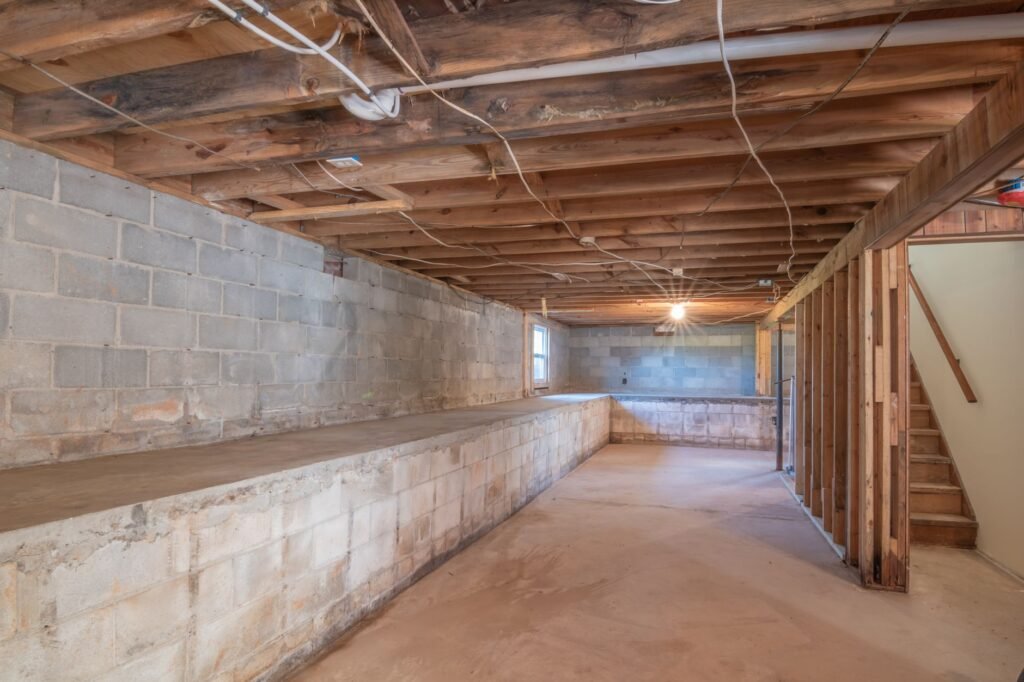
How to Get Rid of a Musty Smell in a Basement (and Stop It Coming Back)
A step-by-step removal guide that starts by identifying which musty smell you actually have – because the four common causes need four different fixes.
A step-by-step removal guide that starts by identifying which musty smell you actually have – because the four common causes need four different fixes.
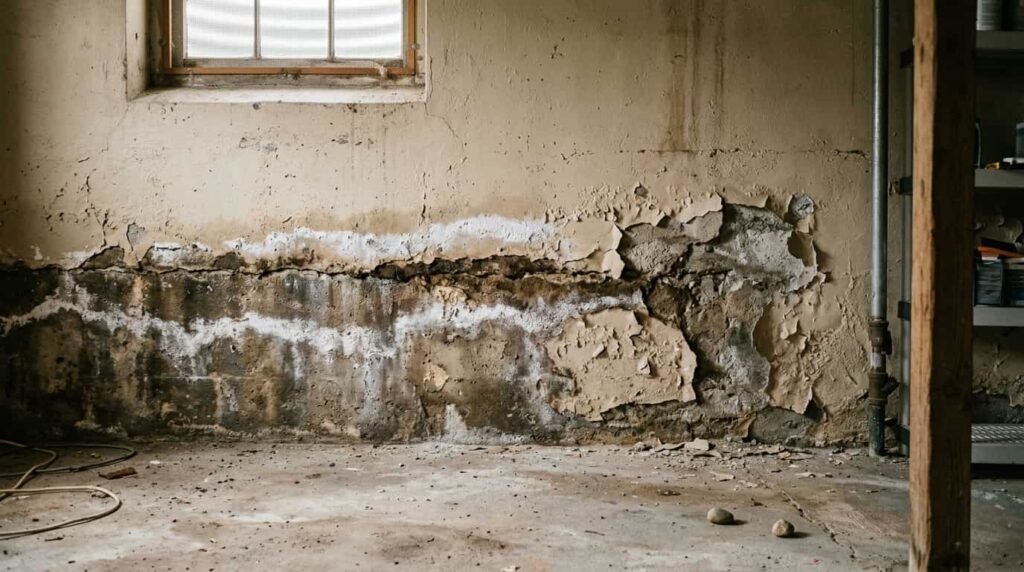
The code of practice for chemical damp-proof courses excludes below-ground walls. Here is what that means for your basement and what to do instead.

You have to disclose it either way. The real question is whether your buyer’s lender will let the sale close, and that is not a question about ROI.
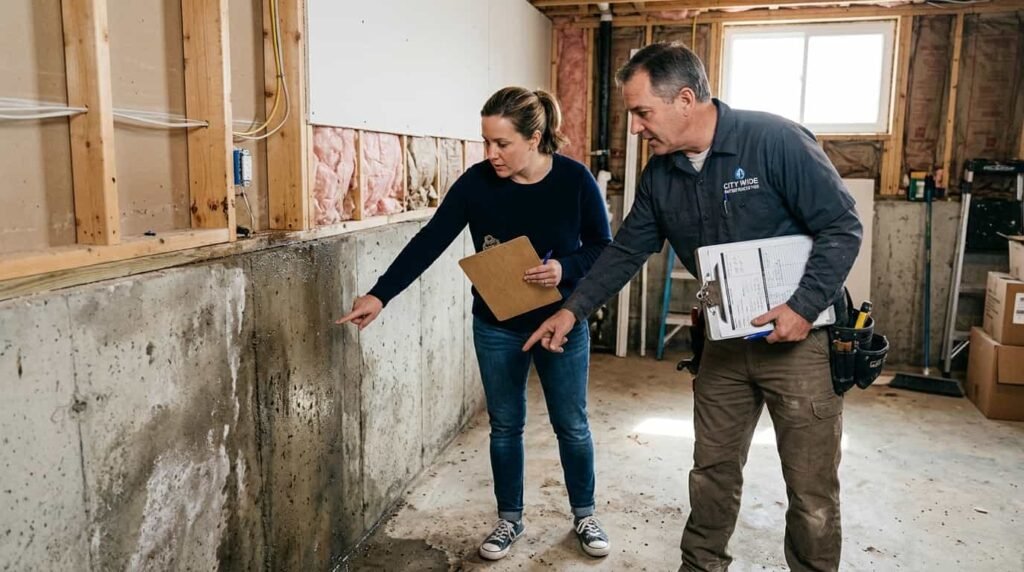
A question is useless unless you know what a good answer sounds like. Here are both, with the industry’s own guidance behind them.
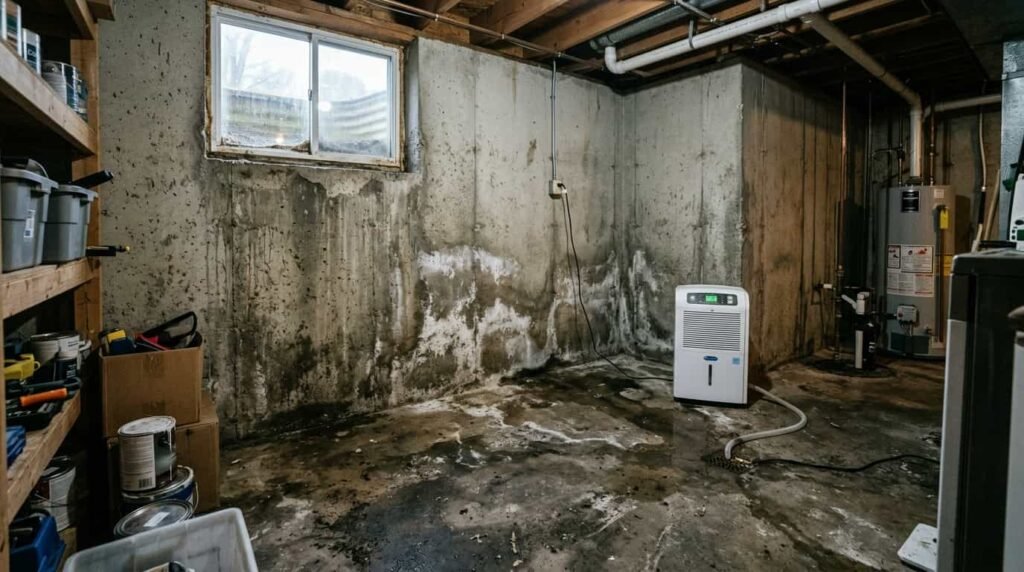
Deposit caps, the three-day cancellation right that covers visits you invited, and why being asked to pull the permit yourself is a transfer of liability.
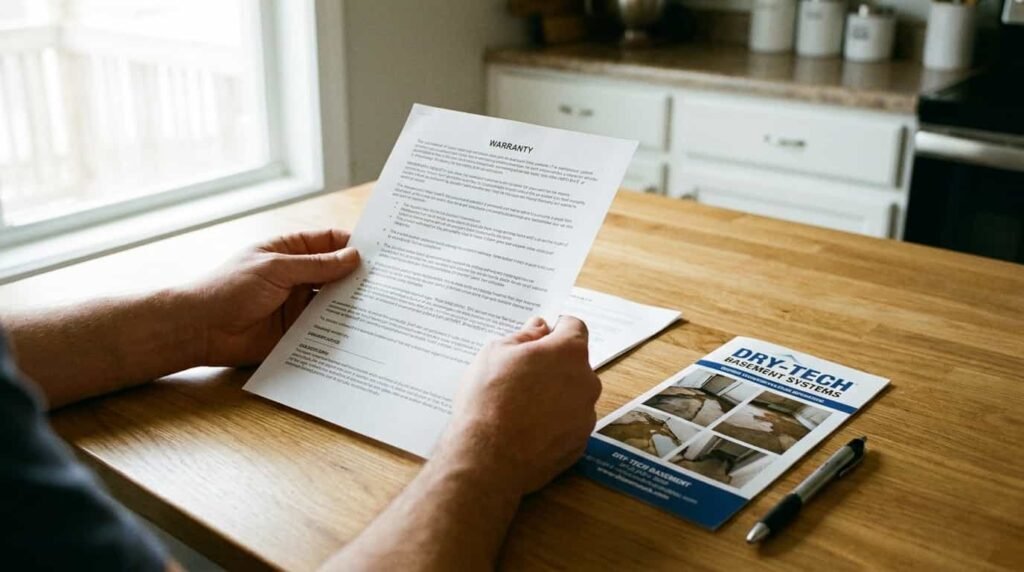
What “lifetime” legally means, why federal warranty law may not cover your system at all, the exclusions that quietly gut coverage, and what happens if the company closes.
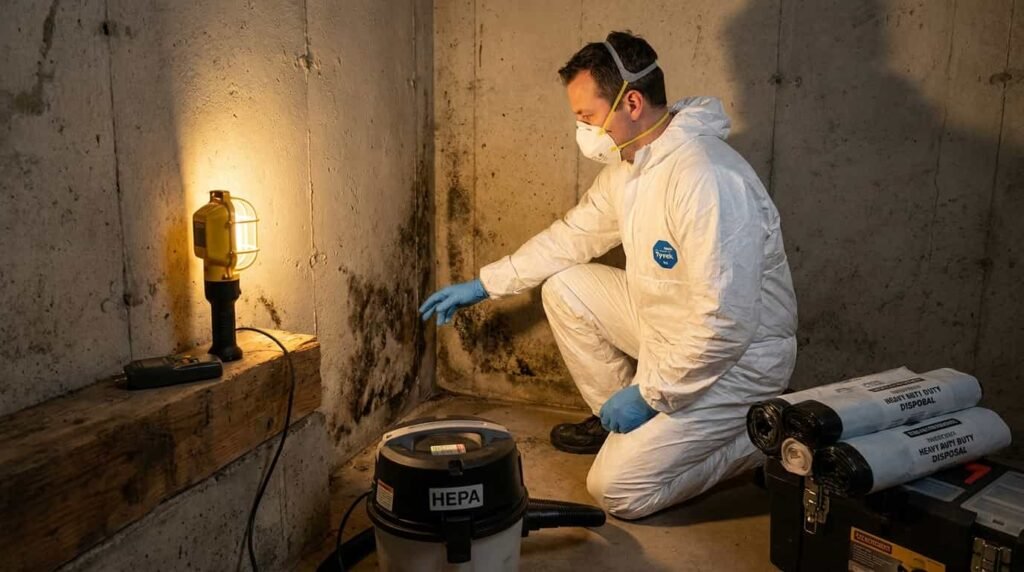
Where the industry’s cost figures actually come from, what EPA guidance says your job needs, and why a quote that ignores the moisture source is a subscription.
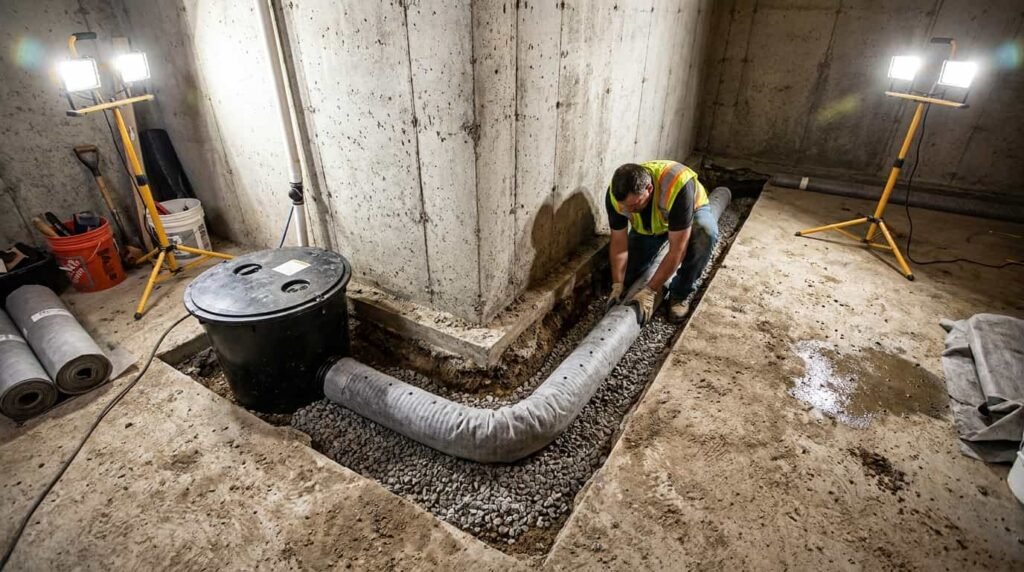
What a French drain costs, where every published figure actually comes from, and the $14 fix that solves a surprising share of damp basements first.
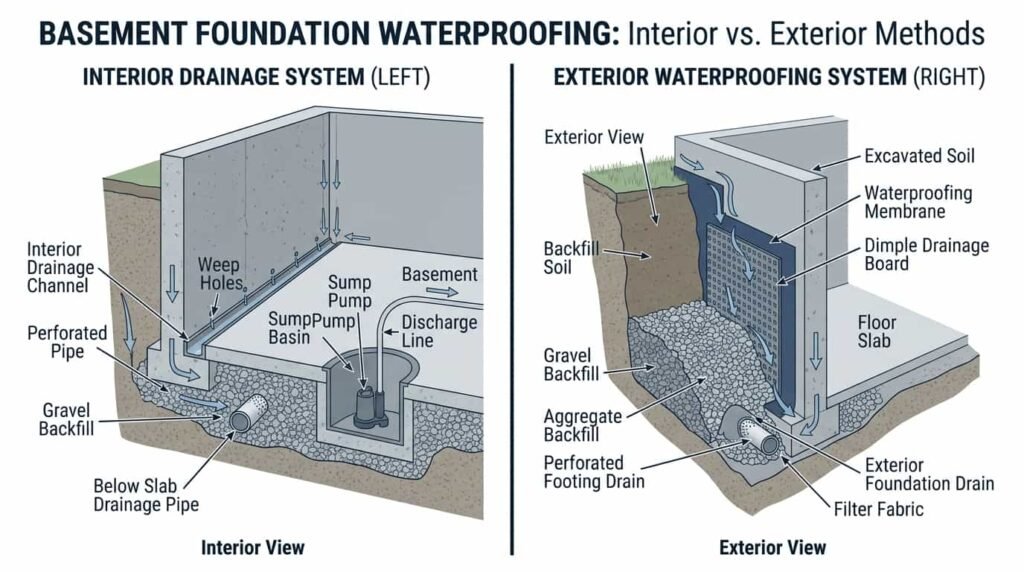
Your house probably has dampproofing, not waterproofing, and the cost of digging is decided by geometry rather than volume. Both change the answer.
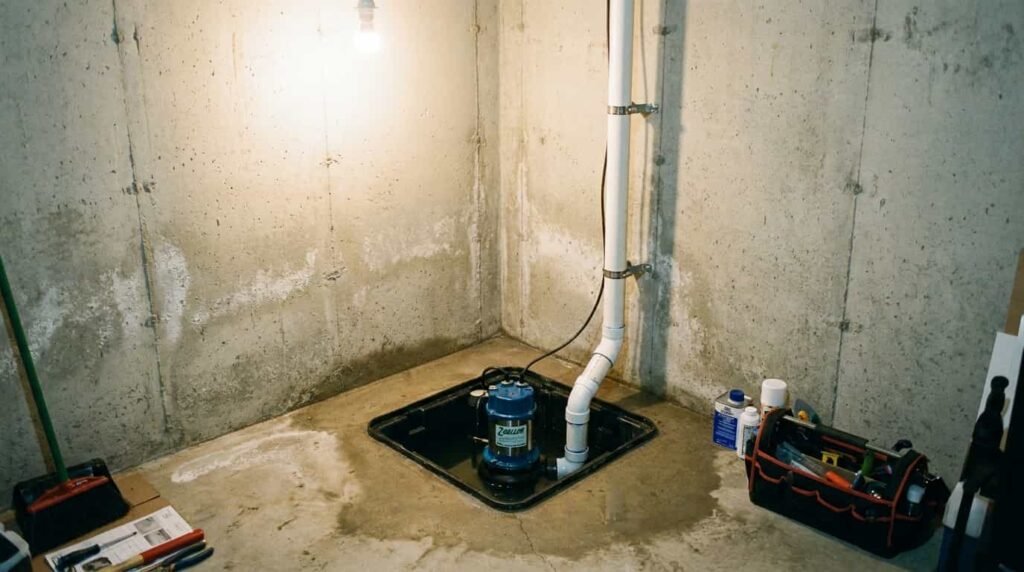
The pump is the cheap part. A correctly specified pump and a wrong one cost the same to buy and the same to fit, and only one of them moves water.