
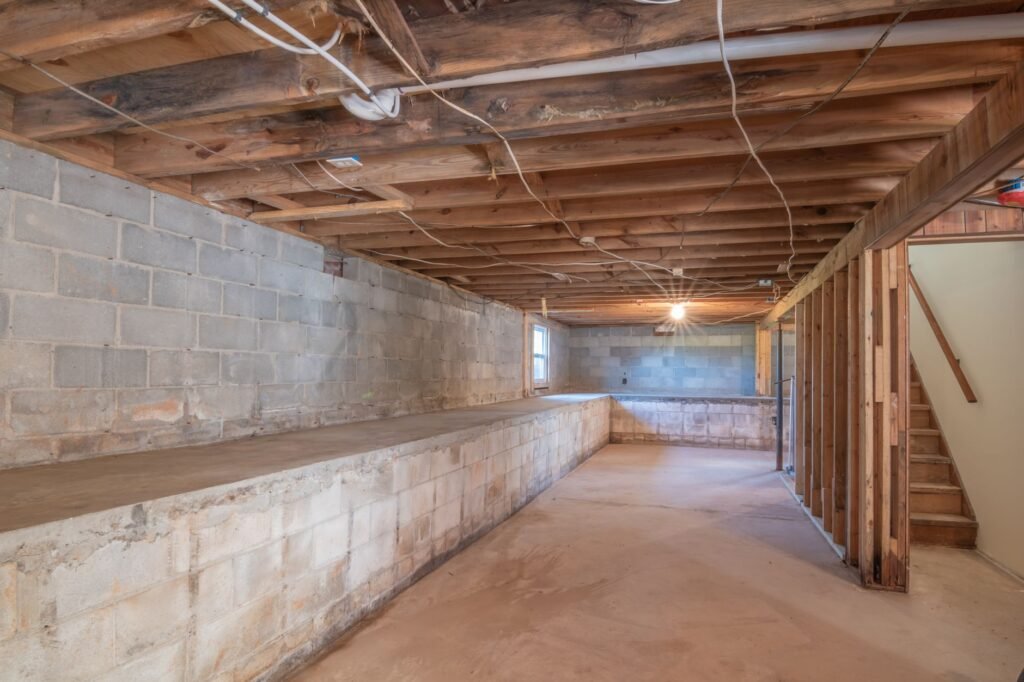
How to Get Rid of a Musty Smell in a Basement (and Stop It Coming Back)
A step-by-step removal guide that starts by identifying which musty smell you actually have – because the four common causes need four different fixes.
A step-by-step removal guide that starts by identifying which musty smell you actually have – because the four common causes need four different fixes.
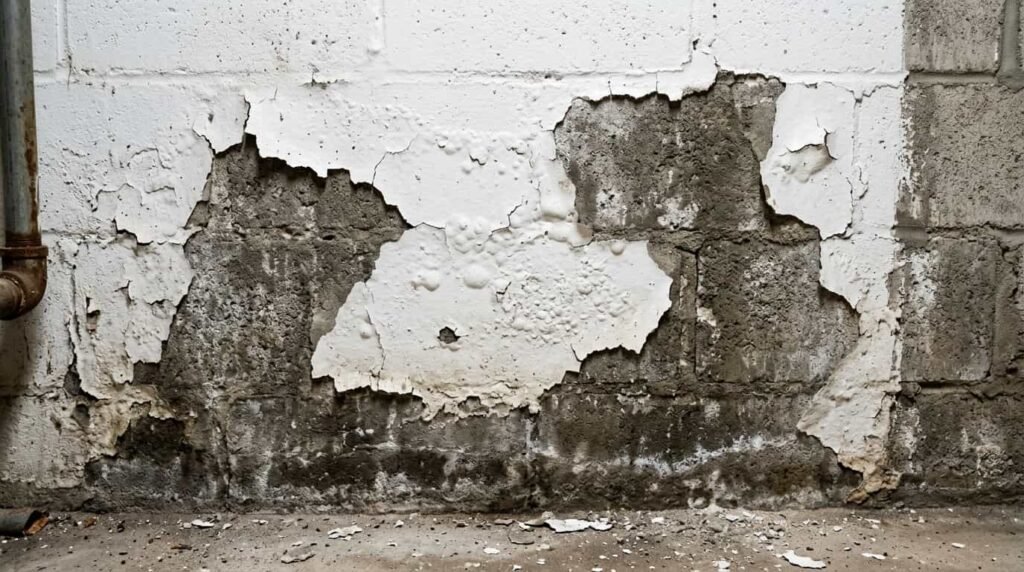
Blistering, flaking and salt-pushed paint each mean something different. Read the failure first, because repainting the wrong one is a waste of a weekend.
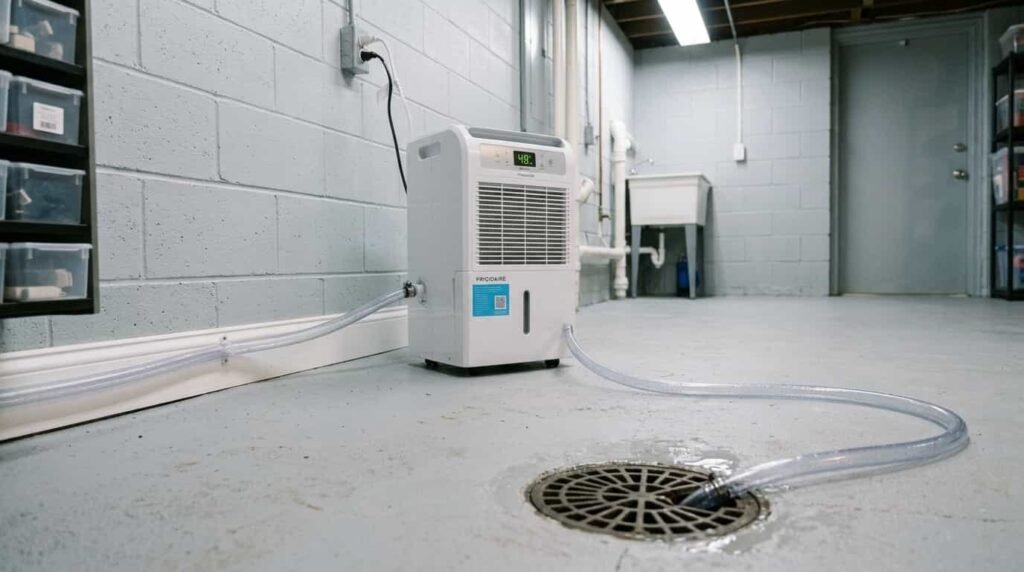
Continuous drainage done right, including the air gap rule that explains the commonest failure and the places you are not allowed to send the water.
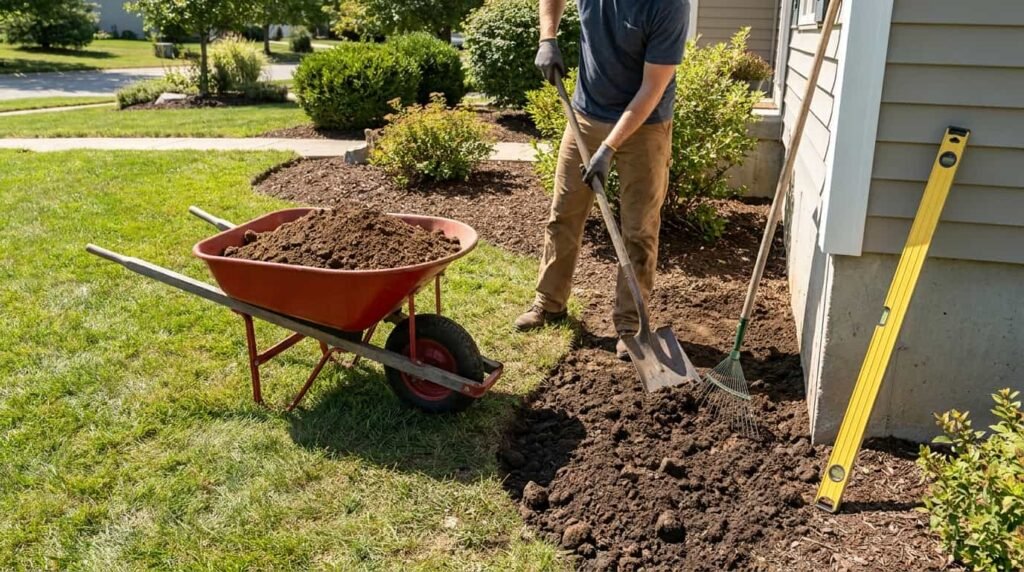
The measuring method, the right soil, and the clearance limit that decides whether you can fill at the wall or have to cut at the far end.
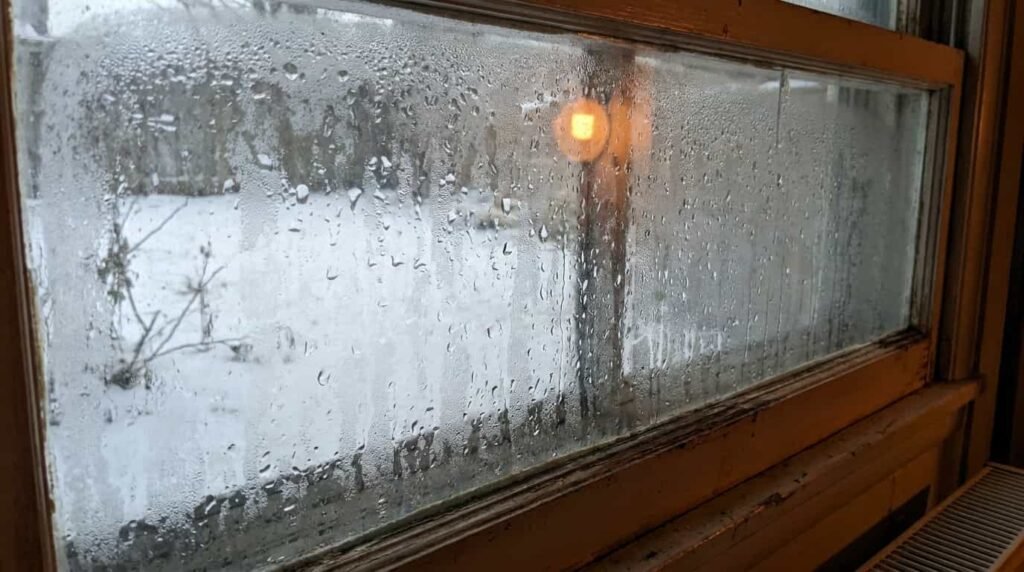
The humidity target that works in summer is roughly double what winter allows. The correct number depends on the outdoor temperature, and here it is.
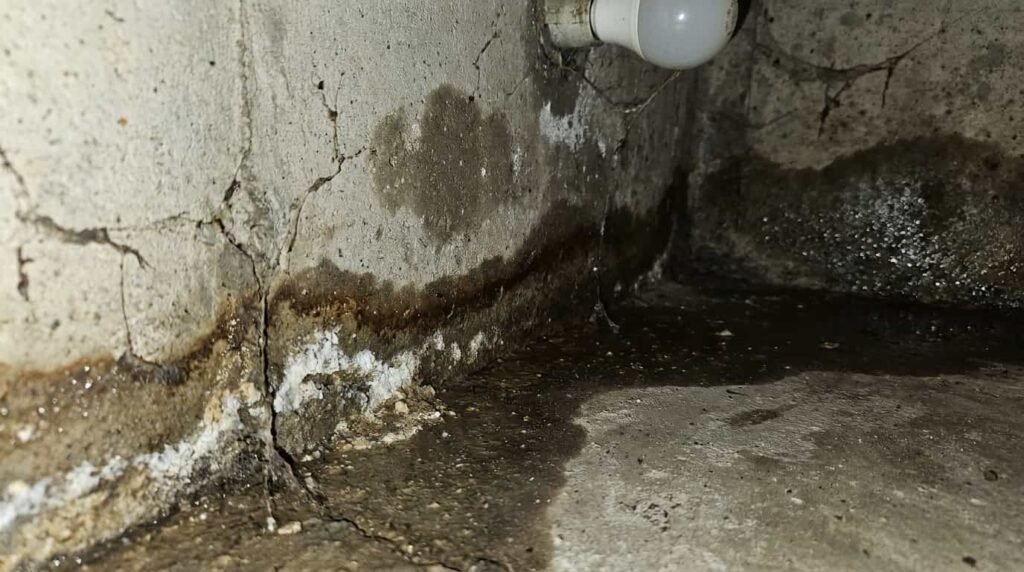
The seam at the base of your wall is not a construction defect. It is a joint the engineers specified on purpose, which is why sealing it usually fails.
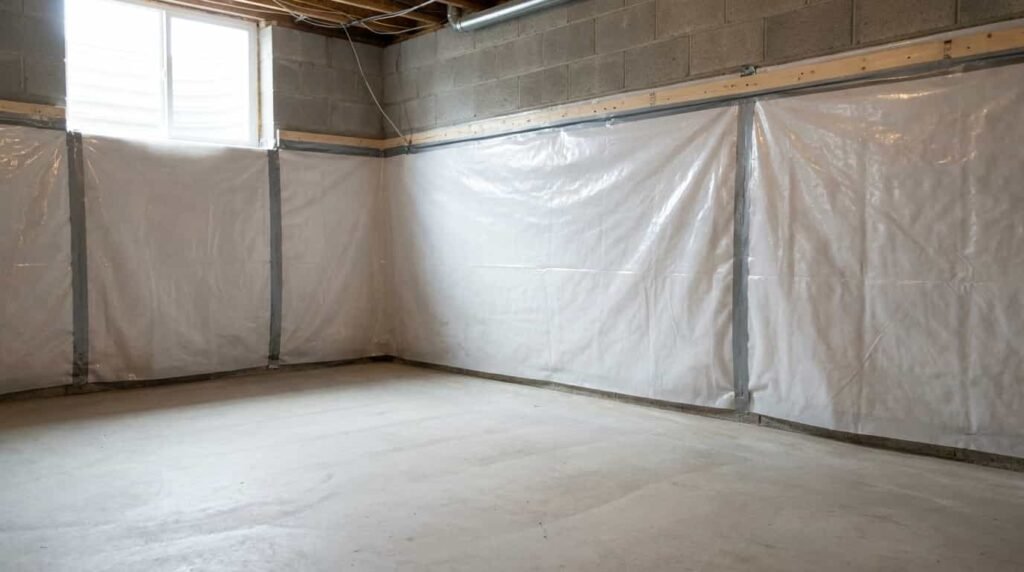
Under a slab, yes. Over crawlspace soil, yes. Stapled to a basement wall, it traps the moisture and rots the framing. The difference is which way the wall can dry.
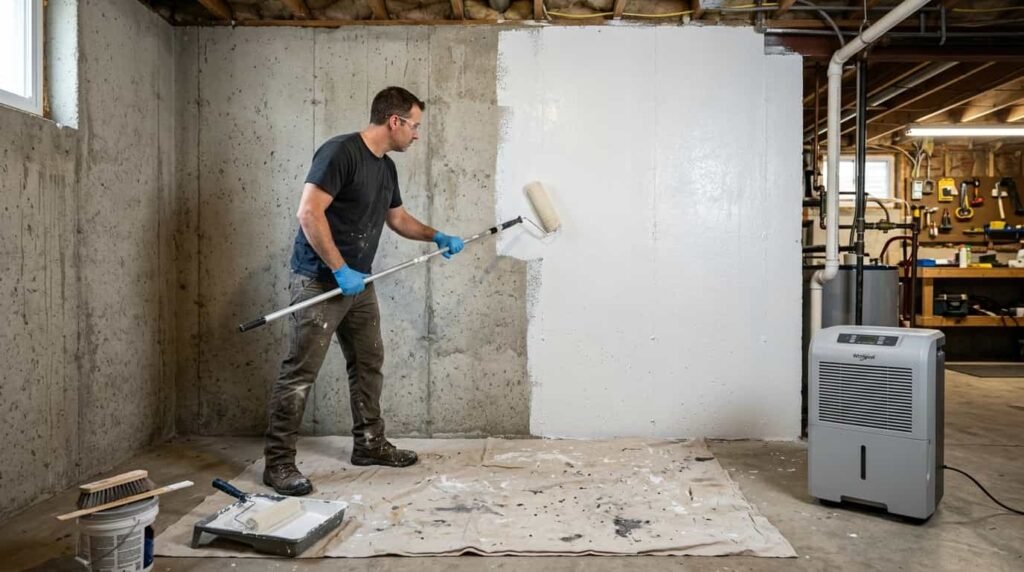
The label says it resists 33 feet of water. The only independent field test failed it at two. What the number means, and when the product is genuinely right.
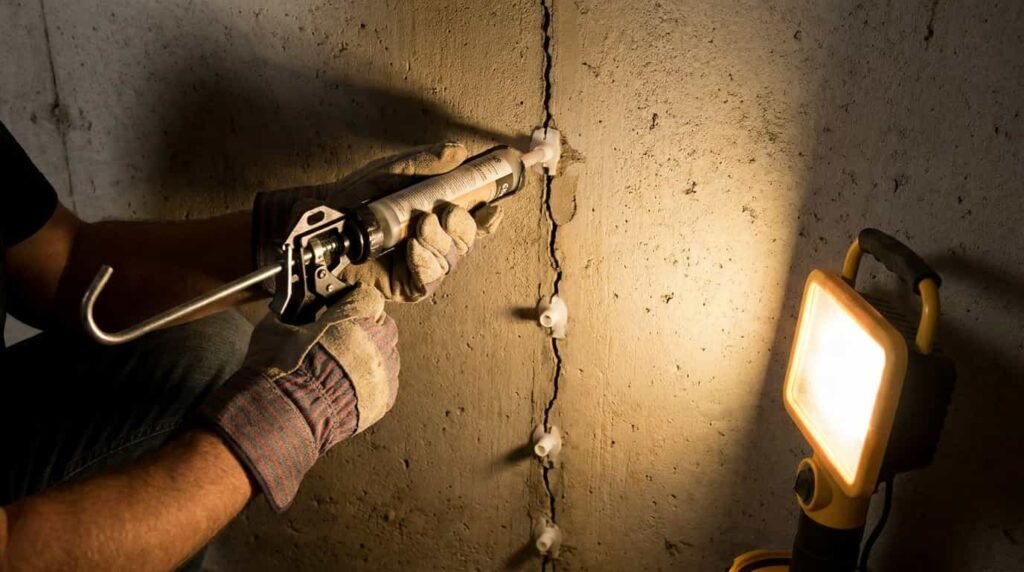
Which cracks you can seal yourself, which method matches which crack, and the reason an interior patch is working against the water rather than with it.
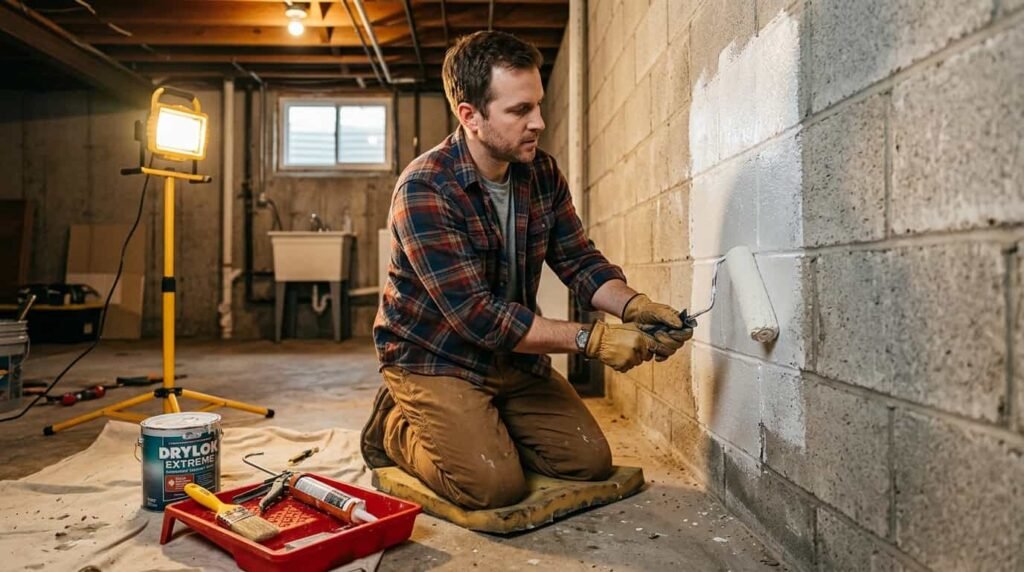
The cheapest fixes have the strongest evidence behind them and the products sold for this have the weakest. Here is the published order of operations.